
How Social Media is Shaping Mainstream Success, and What Businesses Can Learn From it
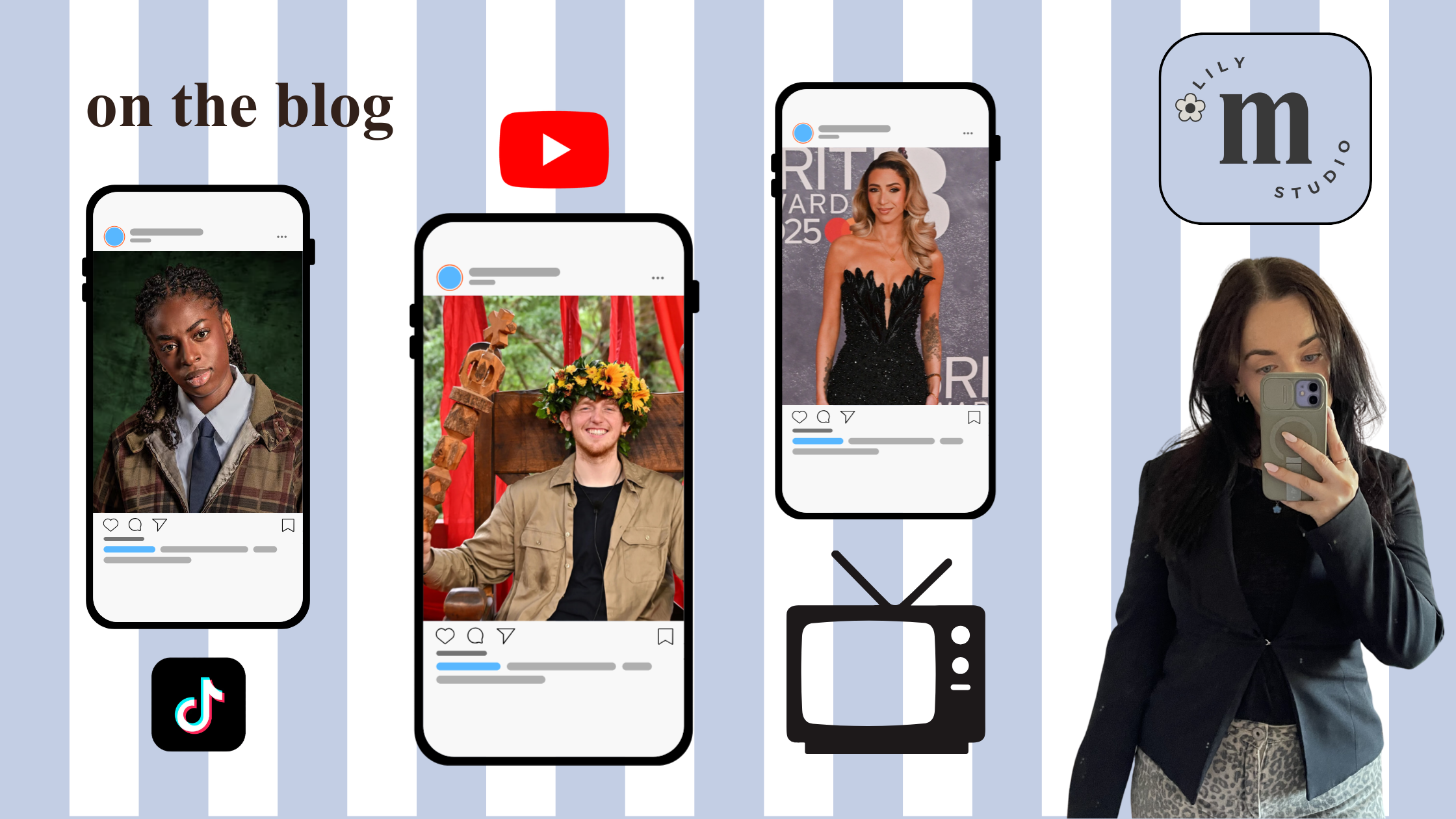
Social media hasn’t just changed how content is shared, it has changed how credibility is built and who gains visibility in the first place.
What’s particularly interesting is that this shift isn’t limited to creators or celebrities. The same dynamics shaping modern media are directly relevant to businesses. The way audiences form trust, familiarity and preference online now closely mirrors how people decide who to follow, support and ultimately buy from.
Television and traditional media were once the main route to visibility. Now they are often responding to what already has momentum elsewhere. Audiences are frequently built online first, with mainstream exposure following later.
In many cases, television is no longer the moment of discovery. It’s the moment of amplification.
Visibility now comes before validation
One of the most noticeable shifts in modern media is that visibility often comes before validation.
Creators, artists and personalities build audiences on platforms like YouTube, TikTok and Instagram long before they appear on traditional media. Through repeated exposure, people develop familiarity, trust and a sense of connection over time.
By the time these individuals appear on television, they are rarely unknown. They arrive with a clear identity, an existing audience and often a strong personal brand.
That familiarity changes how audiences engage with them.
Angry Ginge: social media as the route in, personality as the differentiator
Angry Ginge’s win on I’m A Celebrity… Get Me Out Of Here! shows how social media now shapes opportunity, not just outcomes.
While he entered the show with a sizeable YouTube following, many viewers watching at home didn’t know who he was beforehand. His success wasn’t simply the result of existing fans voting for him, it came from how he showed up once he was there.
His humour, relatability and down to earth personality won people over episode by episode. He didn’t feel like a traditional celebrity, which made him more relatable to audiences encountering him for the first time.
What matters here is that without his online presence he likely wouldn’t have been given that platform in the first place. His YouTube career showed that he could hold attention, connect with an audience and keep people engaged over time.
Social media didn’t guarantee the win, but it created the opportunity.
Television didn’t create his appeal; it simply exposed it to a wider audience.
Cat Burns: consistency before the breakthrough
Cat Burns’ rise offers another example, this time showing the role of long term consistency rather than overnight success.
She first built an audience on TikTok during the pandemic by regularly sharing covers and original music. That ongoing presence allowed people to connect not just with her voice, but with her personality and storytelling.
Her song Go was originally released in 2020, but it didn’t reach mainstream success until 2022 when it went viral on TikTok two years later. That second wave pushed the track to number two on the UK charts and led to her signing with a major record label.
This wasn’t a one off viral moment. When the song took off, Cat Burns already had an established audience and a clear identity. She continued showing up online, reinforcing that connection rather than disappearing after the spike in attention.
Her later appearance on The Traitors didn’t establish her credibility, it built on it. Television amplified what social media had already started.
Social platforms increasingly shape perception first, while traditional media extends reach.
A wider pattern, not isolated examples
These examples reflect a broader trend:
GK Barry, who built a loyal audience through TikTok and podcasts before becoming a familiar ITV face and appearing on shows such as Loose Women.
Joe Wicks, whose digital first community laid the foundations for mainstream success.
Reality TV contestants, such as those on Love Island, who often arrive with established followings and a clear understanding of how to present themselves both on and off screen
Mainstream media is no longer leading audience attention. It is responding to it.
What this tells us about attention and trust
This shift isn’t really about platforms. It’s about how trust is formed.
Audiences increasingly value familiarity, consistency and perceived authenticity over polished production or institutional endorsement. Social media allows this through repeated exposure and direct communication.
For businesses, the implications are clear.
Success online rarely comes from a single viral moment or a perfectly produced campaign. It usually comes from clarity, repetition and sustained presence. People are far more likely to engage with brands that feel established and recognisable than those they encounter once.
The same dynamics that elevate creators into mainstream media apply just as strongly to professional services and local businesses.
Social media as long term brand infrastructure
Used strategically, social media works less as a promotional tool and more as brand infrastructure.
It allows businesses to:
build authority over time
communicate expertise without constant selling
establish trust before a customer ever makes contact
Creators use online platforms to lay the groundwork for wider exposure. Businesses that invest in consistent, strategic visibility are better positioned when opportunities arise, whether that’s new clients, partnerships or broader recognition.
The aim isn’t virality. It’s credibility and familiarity.
Viral moments can help, but long term success usually comes from consistent visibility, or from how someone behaves after a spike in attention. Without consistently showing up, attention fades quickly.
Final thoughts
Social media hasn’t replaced traditional media, but it has changed the route to relevance.
Attention is now earned through consistent visibility rather than granted through a single appearance. Trust builds gradually, often long before wider validation arrives.
For businesses, the takeaway is simple: focus less on chasing virality and more on building steady visibility that demonstrates expertise.
By the time someone is ready to work with you, they should already recognise who you are and what you do.
If you want help with this, please contact me at contact@lilymarketingstudio.com.
